
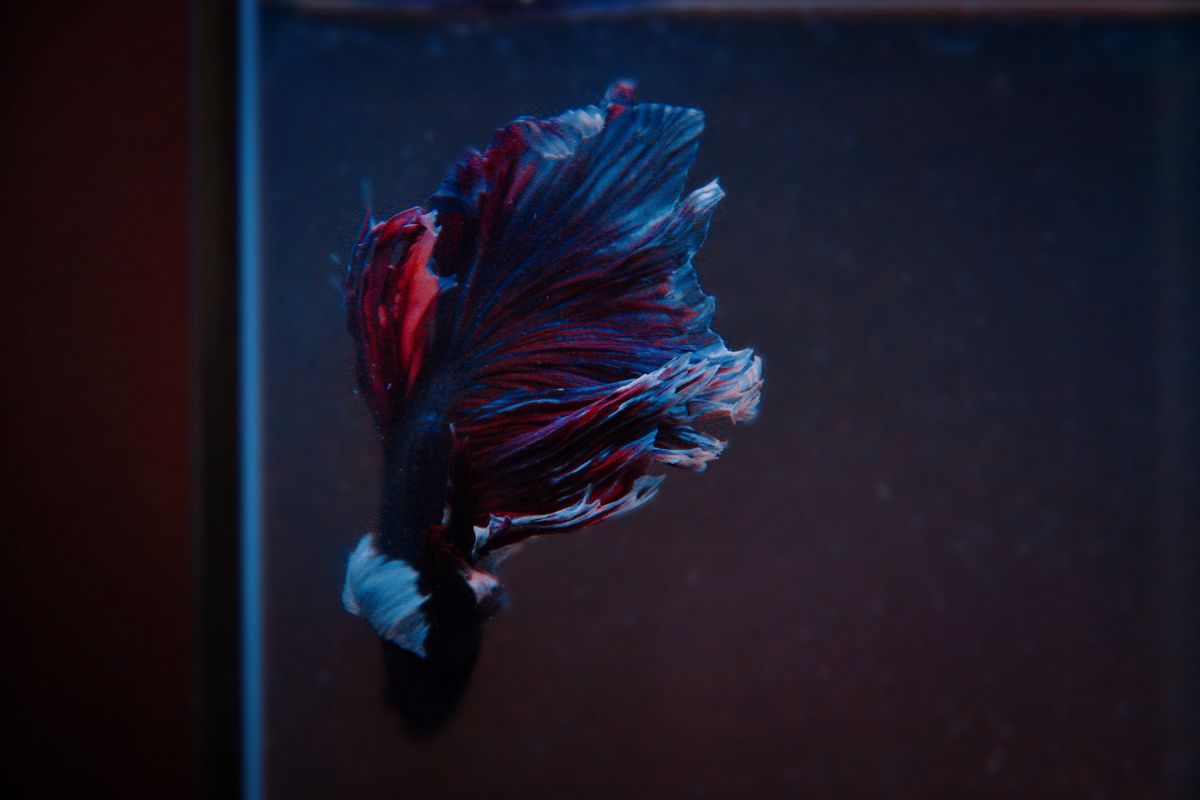
Can you put betta fish with other fish? Sometimes—but a peaceful tank is never guaranteed. Betta temperament, tank space, the other fish’s behavior, and the setup all matter. The safest choice for a betta that is territorial, easily stressed, or living in a small tank is to keep it alone. Bettas do not need tank mates to be healthy.
Quick answer: A betta may live in a carefully planned community aquarium with calm, compatible species, enough room, stable water conditions, and a way to separate the fish immediately if aggression starts. Never house two male bettas together. If you cannot provide a properly sized, filtered and heated tank plus a backup plan, keep one betta by itself.
Why betta compatibility varies
“Betta” usually refers to domesticated Betta splendens, but individual behavior differs. Some fish chase or attack tank mates; others tolerate calm neighbors. Long fins can also make a betta a target for fin-nipping fish. The Ornamental Aquatic Trade Association (OATA) says mixing bettas can be difficult and recommends males be kept alone or with very placid tank mates. It also warns that fin nipping can cause stress, disease, and death.
A species being described as “compatible” online is not a promise that it will work in your aquarium. Tank size, water temperature and chemistry, swimming level, adult size, group requirements, feeding needs, and temperament of each individual fish all affect the result.
When Can You Put Betta Fish With Other Fish?
Do not add fish to a small bowl or an unfiltered container to keep a betta company. OATA recommends at least 20 liters (about 5.3 U.S. gallons) for a single male betta, with a filter always essential; that is a single-betta recommendation, not a community-tank size. Aqueon says bettas can be kept with other fish in a peaceful community aquarium of 15 gallons or larger. Treat that as a starting point for its community setup, not a universal guarantee: the tank still has to meet the needs and group size of every species you choose.
Use an appropriately sized, cycled aquarium with a secure lid, a heater where needed, gentle filtration, and hiding places or plants that break up line of sight. Test water regularly and keep it stable. Do not use strong currents or sharp decorations that can injure long fins. If a tank cannot support the other species’ schooling or group requirements as well as the betta’s needs, it is not large enough for that combination.
Tank mates that may work
Aqueon lists some tetras, rasboras, livebearers, Corydoras catfish, and calm, non-aggressive fish as possible tank mates for a betta in a larger peaceful community aquarium. The important qualifications are “calm,” “not overly active,” and the appropriate environment for each species. Corydoras and many schooling fish need groups of their own; adding one or two to a tank that is too small is not a good compromise.
Snails or shrimp may be considered in a suitable aquarium, but a betta may still chase, injure, or eat small invertebrates. Do not assume they are automatically safe. Watch the behavior of both the betta and the new animal.
Fish and setups to avoid
- Two male bettas: Do not keep them together. They are territorial and can seriously injure one another.
- Long-finned or fin-nipping fish: These may trigger chasing or damage fins. Aqueon specifically cautions against fin-nippers such as tiger barbs.
- Very active or aggressive species: They can stress or harass a betta; Aqueon cautions against active fish such as giant danios and male gouramis.
- A cramped community tank: Lack of swimming room and hiding places can intensify stress and aggression.
- A female “sorority” for beginners: OATA says female groups require a group setup without boisterous or aggressive fish, and advises that a male group with several females is not for inexperienced keepers. Keeping females together is not a simple way to make a peaceful community.
How to introduce a tank mate more carefully
- Check the needs of every species first. Confirm adult size, group size, water requirements, temperament, and the tank’s capacity. Do not rely on a short compatibility list by itself.
- Prepare the full tank before buying fish. Cycle the aquarium, establish filtration and temperature, and provide cover and separate swimming areas. Do not add multiple species to a newly set-up tank at once.
- Have a separate, suitable tank ready. You need a real separation option, not a jar or temporary bowl, if the fish cannot safely coexist.
- Observe closely after introduction. Watch for repeated chasing, nipping, torn fins, hiding, loss of appetite, or a fish being blocked from food or resting areas. One fish constantly fleeing is a warning sign.
- Separate them at the first persistent aggression or injury. Do not wait for the fish to “work it out.” Use the prepared safe tank and seek advice from a knowledgeable aquatic veterinarian or specialist fish retailer if an animal is hurt or unwell.
Does a betta need a friend?
No. Adding a tank mate is optional and creates extra space, water-quality, feeding, and compatibility demands. A properly maintained aquarium with clean water, suitable temperature, filtration, plants or other safe cover, and enrichment can meet a betta’s needs without other fish.
Frequently asked questions
Can a male betta live with female bettas?
Do not keep them together as ordinary companions. Mixing sexes is associated with breeding and aggression risks. OATA describes specialized group arrangements that require experience; they are not a beginner community-tank shortcut.
Can a betta live with tetras?
Some calm tetras may work in a large enough, appropriately set up community aquarium, but there is no guarantee for an individual betta. Consider the tetra species’ group and space requirements, and be ready to separate the fish.
Can I add another fish to a 5-gallon betta tank?
Do not treat a five-gallon tank as a general community setup. Tank-mate species may need groups and more swimming room. Keep the betta alone unless you can meet the specific care needs of every animal in a larger suitable aquarium.

Leave a Reply